

Night-Sky Guides
Honest buying advice, setup walkthroughs and ideas for every room, from the people who obsess over star projectors.
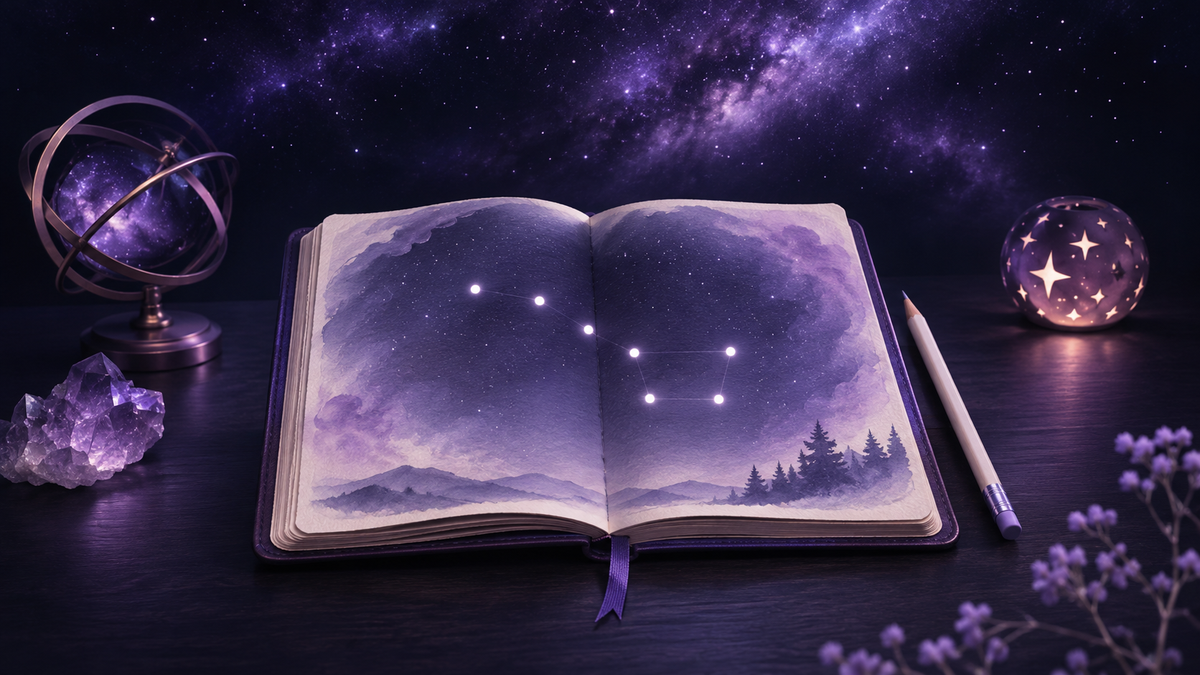
Constellation or Asterism? Read Star Patterns with Confidence
The Big Dipper is often one of the first names people learn in the night sky. Then a star guide calls it an “asterism,” while another page discusses Ursa Major. It can sound as...
Read the guide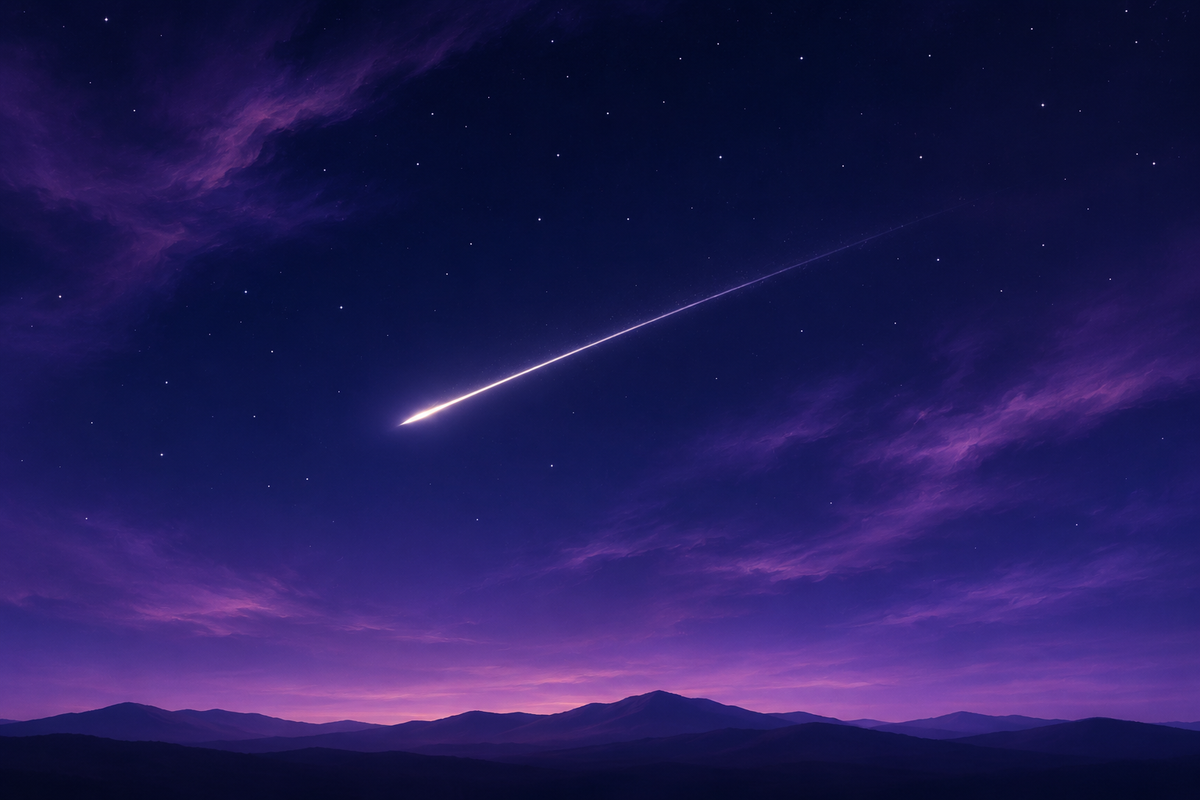
Meteor, Meteoroid or Meteorite? How to Tell the Terms Apart
Learn which word describes a space rock, a streak of light and a surviving fragment, then try a simple paper activity.
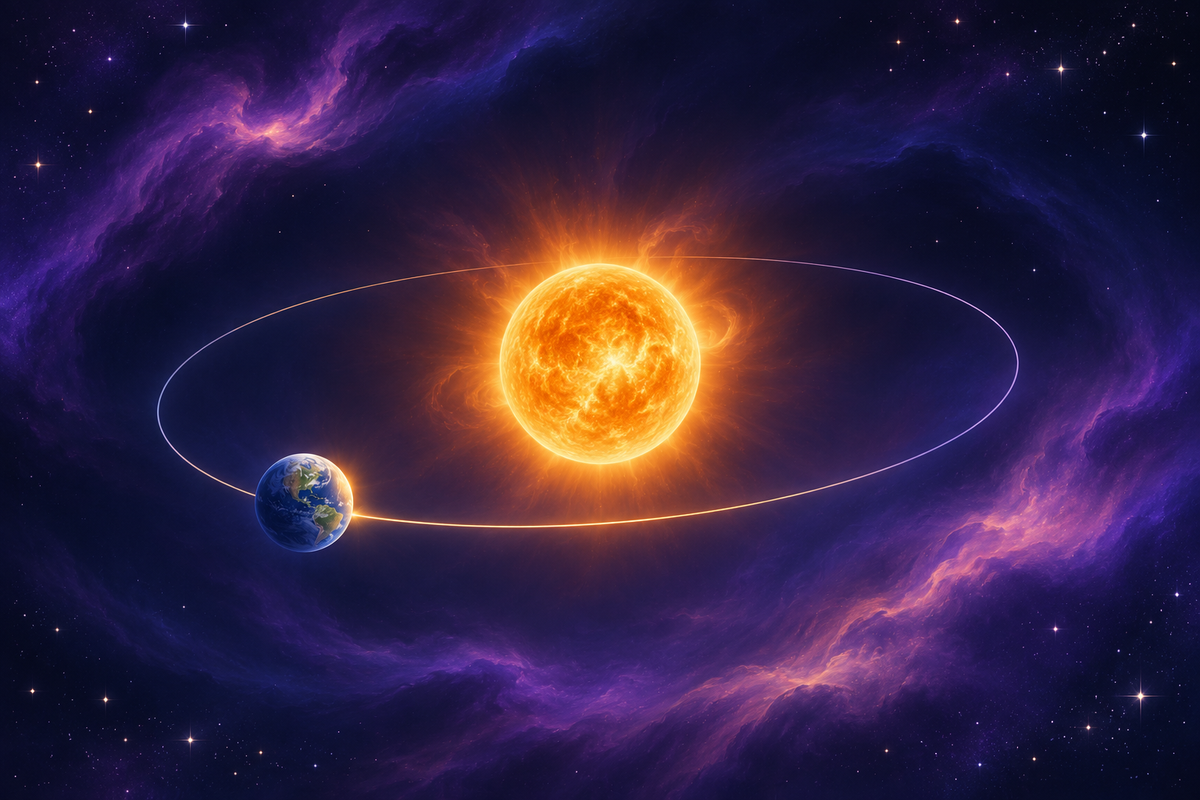
Why the Night Sky Changes With the Seasons
Understand why familiar star patterns return at different times of year, then try a simple indoor model and a repeatable sky observation.
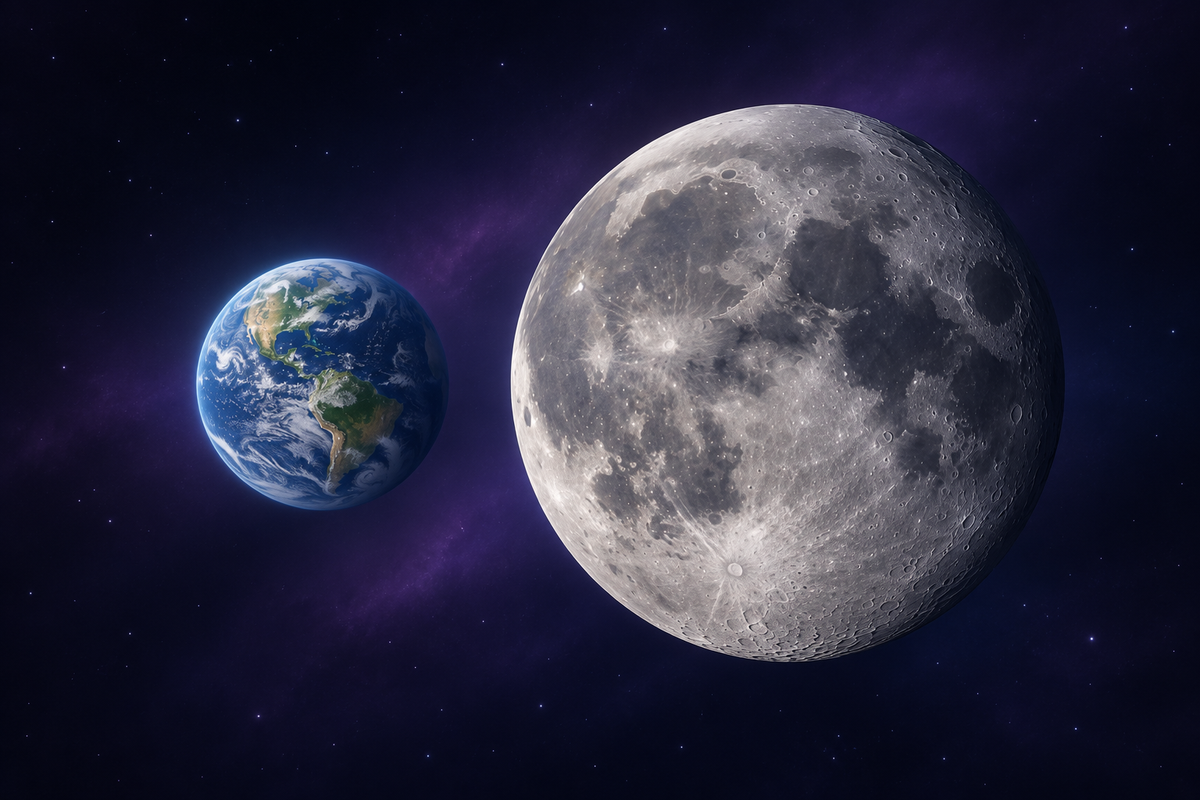
If We See the Same Face of the Moon, Does It Rotate?
Separate rotation from orbit with a simple paper model, then distinguish the far side from the unlit side.
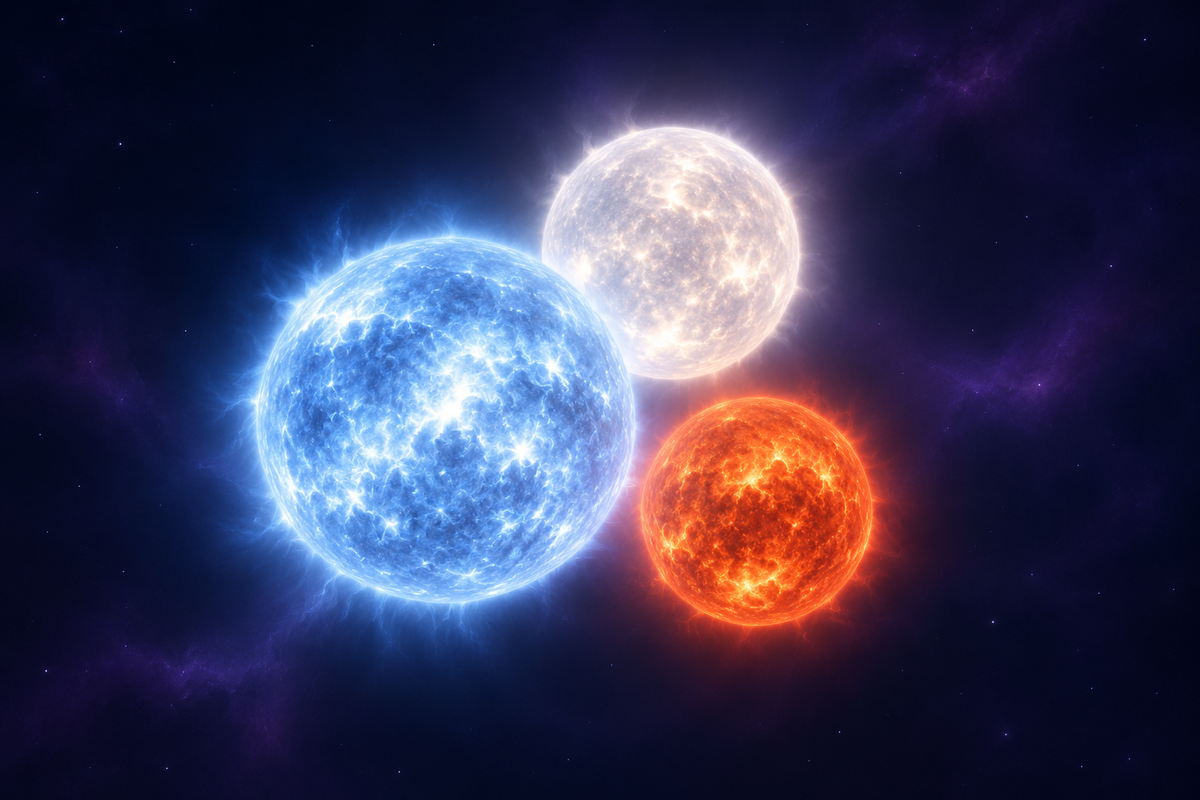
Why Are Some Stars Blue and Others Red?
Star color offers a clue to surface temperature—but room-light colors and telescope images need their own explanation.
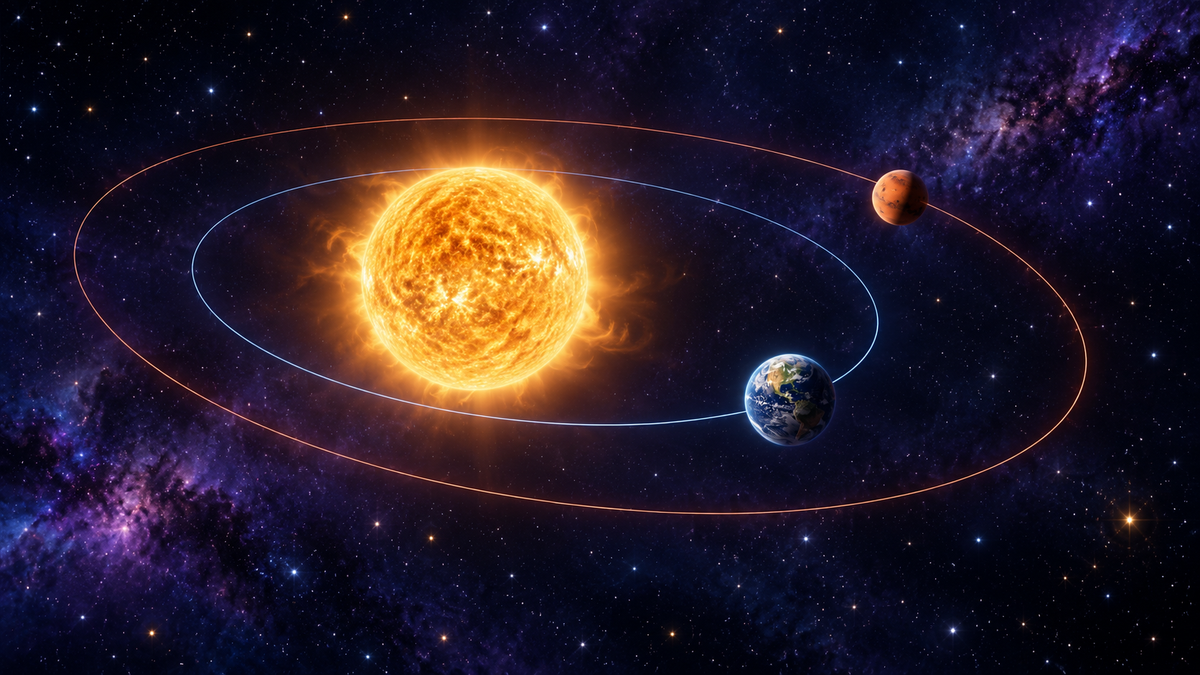
Why Do Planets Sometimes Seem to Move Backward?
Apparent retrograde motion is a change in our view, not a planet reversing its orbit. Explore the idea with a simple drawing.
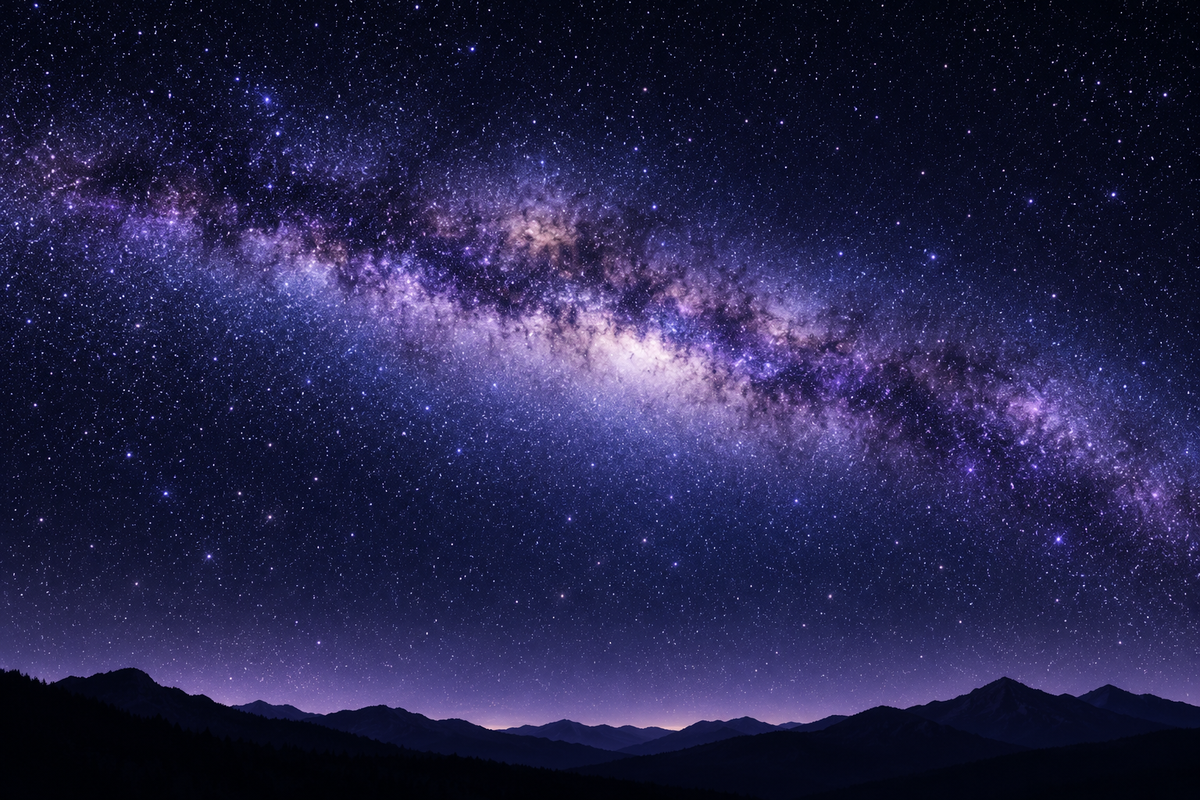
Why the Milky Way Looks Like a Band, Not a Spiral
Explore our inside-the-galaxy perspective, compare astronomy images and try a simple two-view drawing.
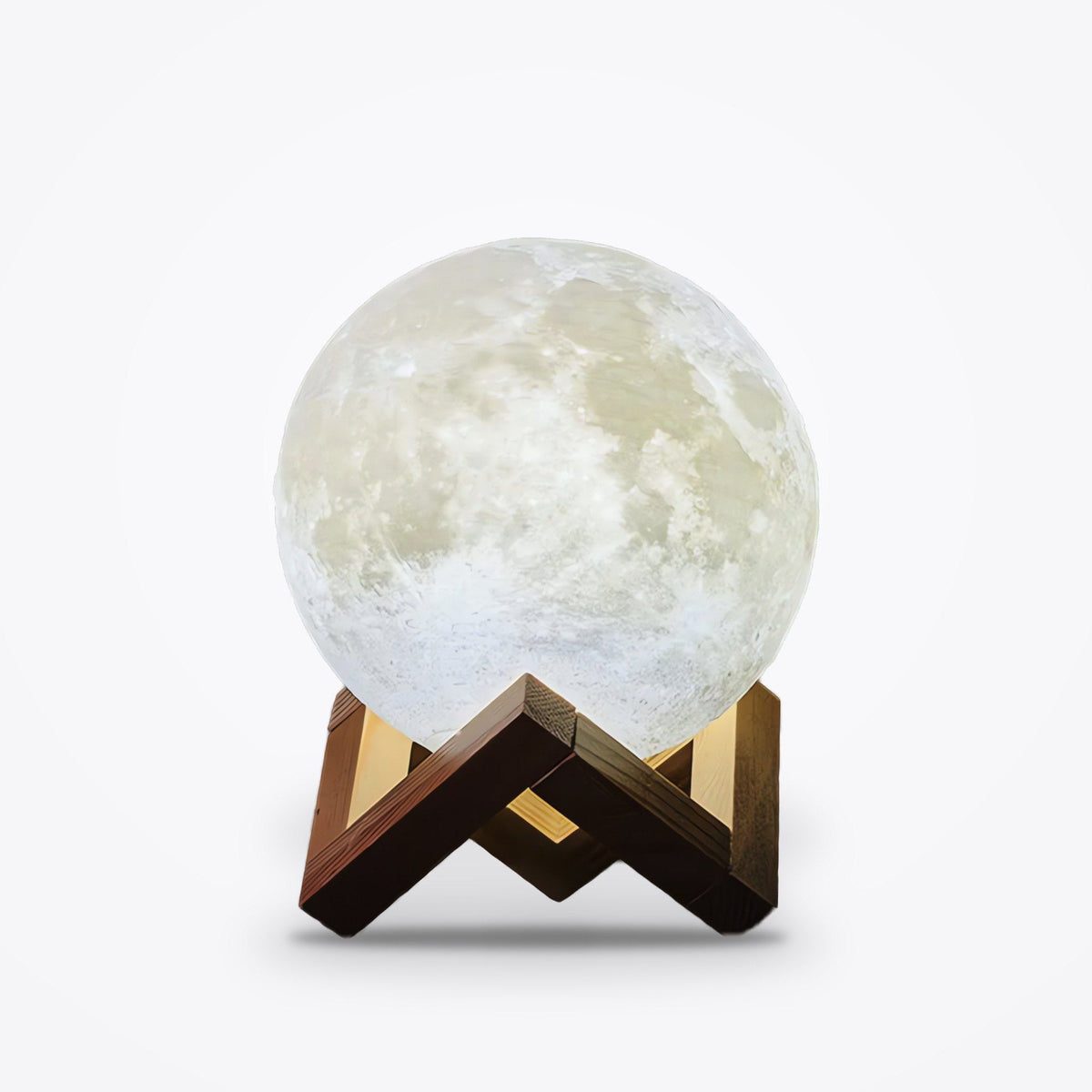
Night-Sky Gift Guide 2026: The Best Star Projector Gifts for Every Budget
Star projectors, moon lamps and home planetariums make some of the easiest gifts to get right: they suit kids and adults, they look beautiful the moment they're switched on, and there's one for every...
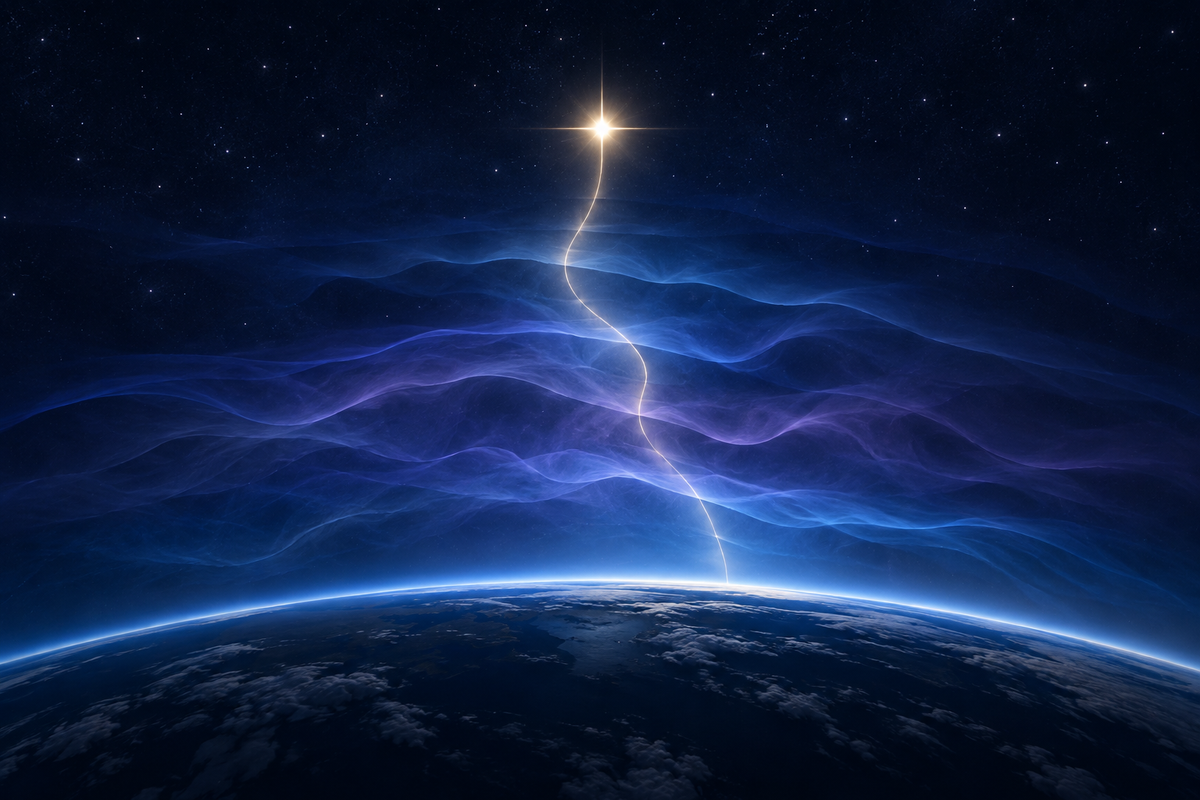
Why Do Stars Twinkle? A Night-Sky Question for Your Starry Room
Learn how moving air makes stars appear to twinkle, why planets often look steadier and how decorative projector effects differ from the real sky.
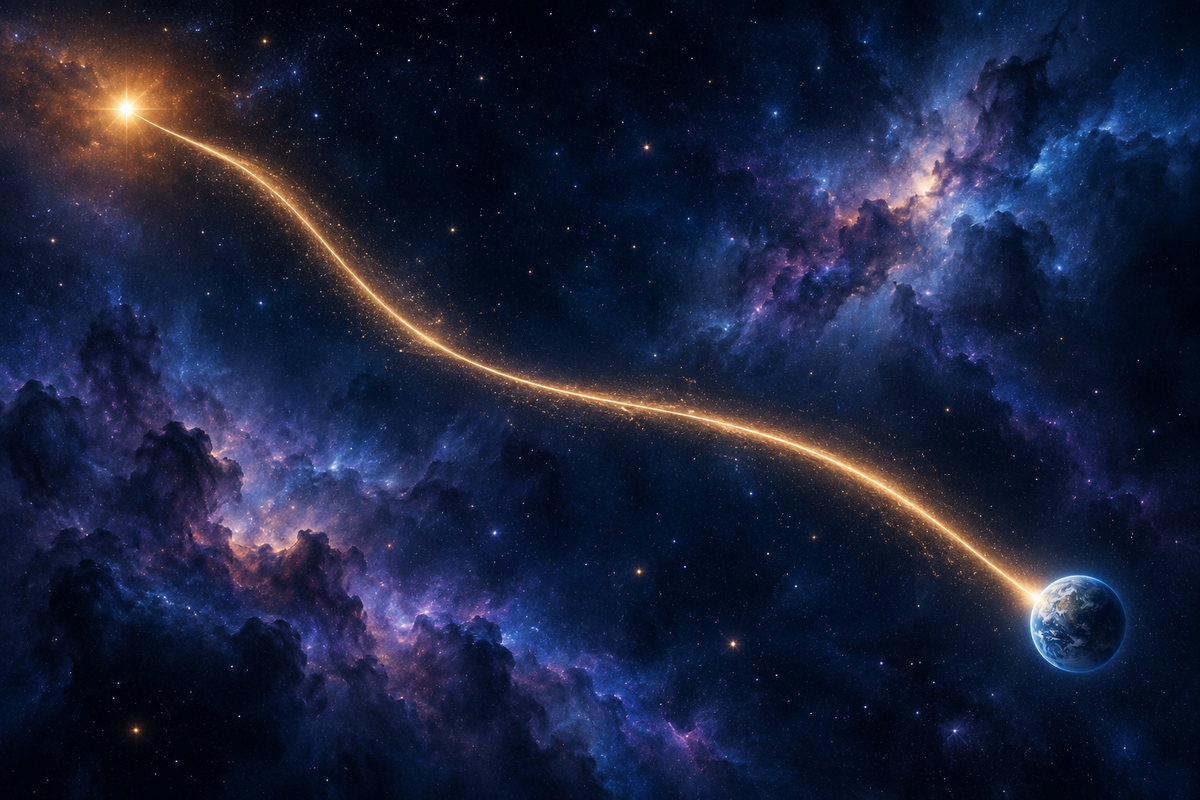
What Is a Light-Year? A Space-Distance Guide for a Starry Room
Understand what a light-year measures, why distant light shows the past and how to make a simple astronomy distance card for a space-themed room.

Moon Phases Are Not Eclipses: A Simple Guide for a Space-Themed Room
Understand the difference between the Moon’s changing phase and Earth’s shadow, then turn a space-themed room into a starting point for observation.
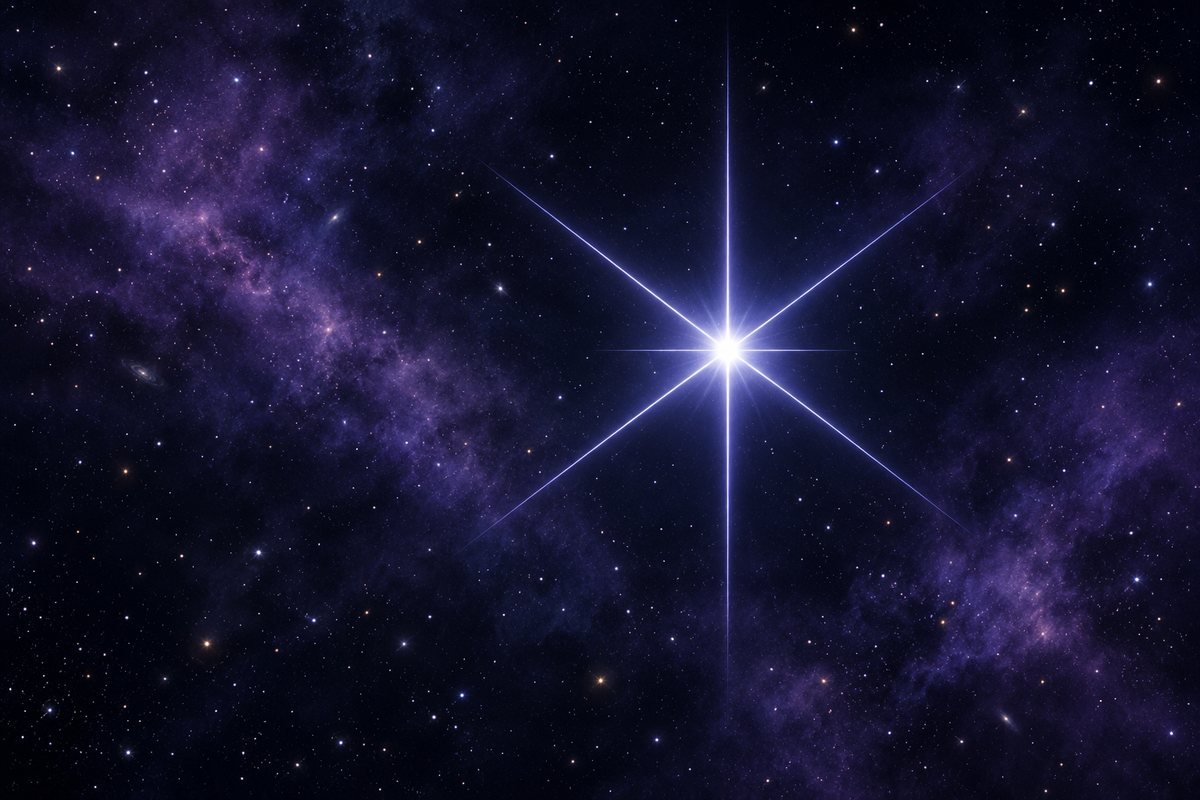
Why Do Stars Have Spikes in Telescope Pictures?
Understand Webb’s six-plus-two diffraction-spike pattern, read a real image caption and distinguish telescope imagery from decorative projection.

Why Nebula Images Have Assigned Colors
Read the color key in telescope-image captions and understand why scientific image processing differs from a decorative projector scene.
No guides match that search on this page. Try another word or browse a topic above.
Ready to light up your ceiling?
Get the next guide first.
Setup tricks, gift ideas and what's worth buying, about twice a month.
New guides and the occasional offer. Unsubscribe anytime.